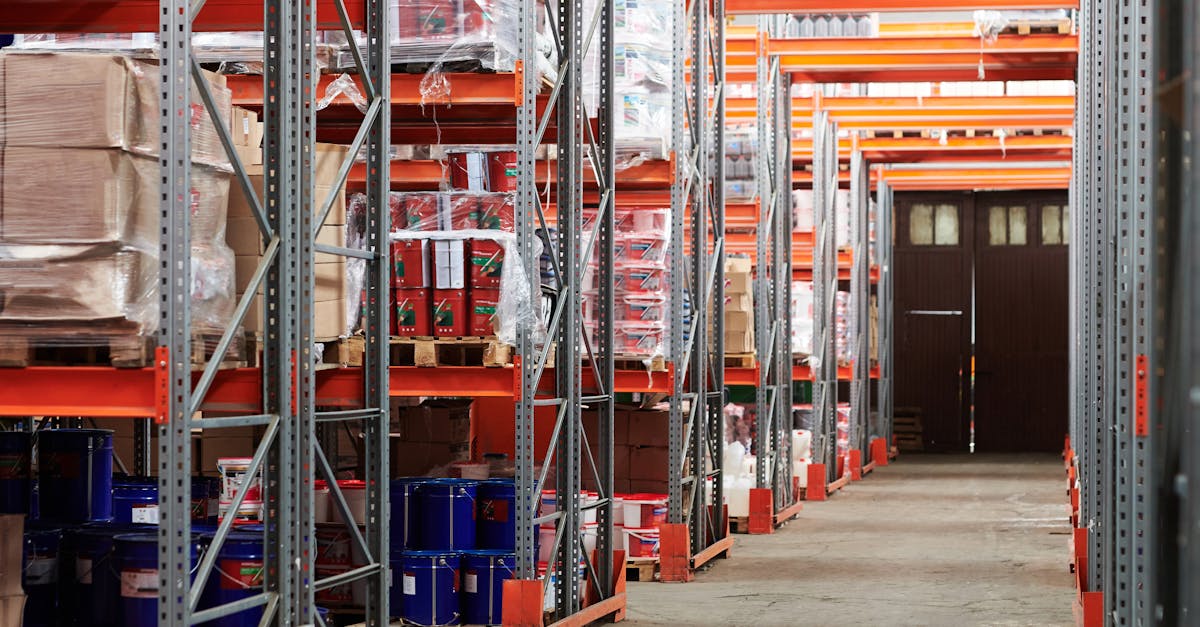
Fire Prevention and Protection in Indoor Self Storage Units
Fire Suppression Systems for Indoor Storage Units
Fire suppression systems are a crucial component of indoor storage units to ensure the safety of both the facility and its occupants. These systems are designed to detect and extinguish fires swiftly before they can cause extensive damage. Common types of fire suppression systems include sprinkler systems, clean agent systems, and foam systems. Each system has its own unique advantages and is selected based on the specific needs and layout of the storage unit.
Sprinkler systems are among the most commonly used fire suppression systems in indoor storage units. These systems are designed to release water when a certain temperature is reached, effectively suppressing the fire and preventing it from spreading. Clean agent systems, on the other hand, use environmentally friendly agents like FM-200 or CO2 to extinguish fires without leaving behind residue or damaging sensitive equipment. Foam systems are ideal for combating flammable liquid fires by smothering the flames and preventing re-ignition. All these systems play a crucial role in safeguarding indoor storage units against potential fire hazards.
Types of Fire Extinguishers to Keep Onsite
It is crucial for indoor self-storage facilities to have a variety of fire extinguishers onsite to effectively combat different types of fires. The selection of fire extinguishers should be based on the specific hazards present within the storage units. For instance, Class A fire extinguishers are suitable for ordinary combustible materials like wood and paper, while Class B extinguishers are designed for flammable liquids and gases. Additionally, Class C extinguishers are ideal for fires involving electrical equipment, making them essential in storage units with electronic devices.
Moreover, it is recommended to have multipurpose fire extinguishers, such as ABC extinguishers, which are capable of tackling a variety of fire classes. These extinguishers are versatile and can be used on fires fueled by ordinary combustibles, flammable liquids, gases, and electrical equipment. By having the appropriate types of fire extinguishers onsite, indoor self-storage facilities can enhance their fire protection measures and ensure the safety of both their customers and employees.
Compliance with Fire Codes and Regulations
Compliance with fire codes and regulations is crucial for ensuring the safety of indoor self storage units. By adhering to the specific requirements set forth by local authorities, facility owners can minimize the risk of fire hazards and protect both their property and tenants. Regular inspections to confirm compliance with fire codes should be conducted to identify any potential issues and address them promptly.
Training staff members on fire safety measures and emergency procedures is a vital aspect of compliance with fire regulations. Ensuring that employees are well-versed in evacuation protocols, the operation of fire suppression equipment, and the location of fire extinguishers can help prevent catastrophic outcomes in the event of a fire. Maintaining up-to-date documentation of safety training and inspections is essential for demonstrating compliance with fire codes and regulations.
Importance of Periodic Fire Drills
Regular fire drills are a crucial aspect of fire prevention and safety in indoor self storage units. By conducting these drills on a routine basis, facility managers can ensure that both staff and tenants are well-prepared in the event of a fire emergency. Through these exercises, individuals become familiar with evacuation procedures, the location of fire exits, and the proper operation of fire extinguishers.
Moreover, conducting periodic fire drills helps to identify any potential shortcomings in the facility's emergency response plan. By simulating fire scenarios, managers can assess the effectiveness of the evacuation procedures and communication protocols. This proactive approach allows for adjustments to be made as needed, ensuring that everyone within the self-storage facility can respond swiftly and confidently in the event of a real emergency.
Preventing Fire Spread in Self Storage Facilities
An effective way to prevent the spread of fire in self-storage facilities is to ensure that adequate spacing is maintained between storage units. It is crucial to follow the designated guidelines for the distance between units, as this can help minimize the risk of fire spreading from one unit to another. By allowing enough space between units, the potential for a small fire to escalate and impact neighboring units is significantly reduced, ultimately enhancing the overall safety of the facility.
Another key aspect in preventing fire spread is to implement proper storage practices within each unit. Encouraging tenants to store items in an organized manner and avoiding overcrowding can help reduce the chances of a fire rapidly spreading throughout the facility. Additionally, promoting the use of non-combustible storage containers and materials can further contribute to containing a fire within a single unit and minimizing its ability to extend to adjacent areas. Proactive measures such as these can significantly enhance the fire safety standards within indoor self-storage facilities.
Use of FireRated Construction Materials
Fire-rated construction materials play a crucial role in reducing the spread of fires within self-storage facilities. These materials are specifically designed to withstand fire for a longer duration, providing valuable time for evacuation and preventing extensive damage to the property. By incorporating fire-rated materials in the construction of indoor storage units, facility owners can enhance the overall safety and security of the premises.
Common fire-rated construction materials include gypsum boards, fire-rated doors, fire-resistant glass, and fireproof insulation. These materials are essential components of a comprehensive fire protection strategy, helping to contain fires within limited areas and slowing down their progression. Additionally, using fire-rated construction materials demonstrates a commitment to adhering to fire safety standards and regulations, which is essential for ensuring the well-being of both employees and customers within the storage facility.
FAQS
What are some common fire suppression systems used in indoor storage units?
Common fire suppression systems used in indoor storage units include sprinkler systems, fire alarms, and smoke detectors.
What types of fire extinguishers should be kept onsite at indoor self storage units?
It is recommended to keep a variety of fire extinguishers onsite, including ABC multipurpose extinguishers that can handle different types of fires such as wood, paper, electrical, and flammable liquid fires.
How important is it for indoor self storage units to comply with fire codes and regulations?
It is crucial for indoor self storage units to comply with fire codes and regulations to ensure the safety of the facility, its contents, and its occupants.
Why are periodic fire drills important in indoor self storage facilities?
Periodic fire drills are important in indoor self storage facilities to ensure that staff and occupants are familiar with evacuation procedures and can respond effectively in case of a fire emergency.
How can fire spread be prevented in self storage facilities?
Fire spread in self storage facilities can be prevented by using fire-rated construction materials, maintaining clear pathways and exits, and implementing proper storage practices to reduce fire hazards.
Related Links
Secure Locking Mechanisms for Indoor Self Storage UnitsSecure Entry Points and Perimeter Fencing in Indoor Self Storage Units
Advanced Security Technologies in Indoor Self Storage Units
Security Audits and Regular Inspections in Indoor Self Storage Units
Security Lighting and Visibility in Indoor Self Storage Units
Surveillance Cameras and Monitoring in Indoor Self Storage Units